
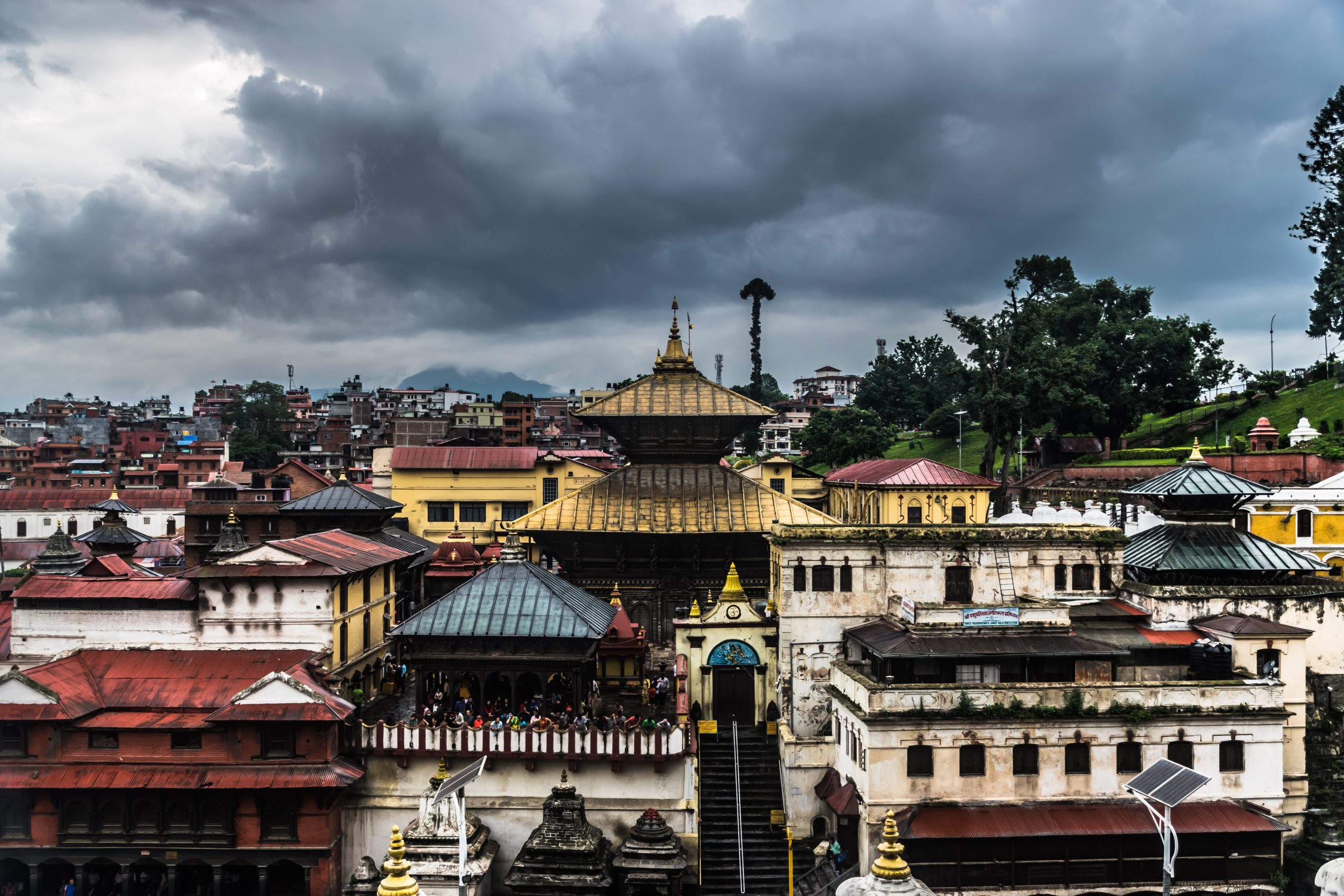
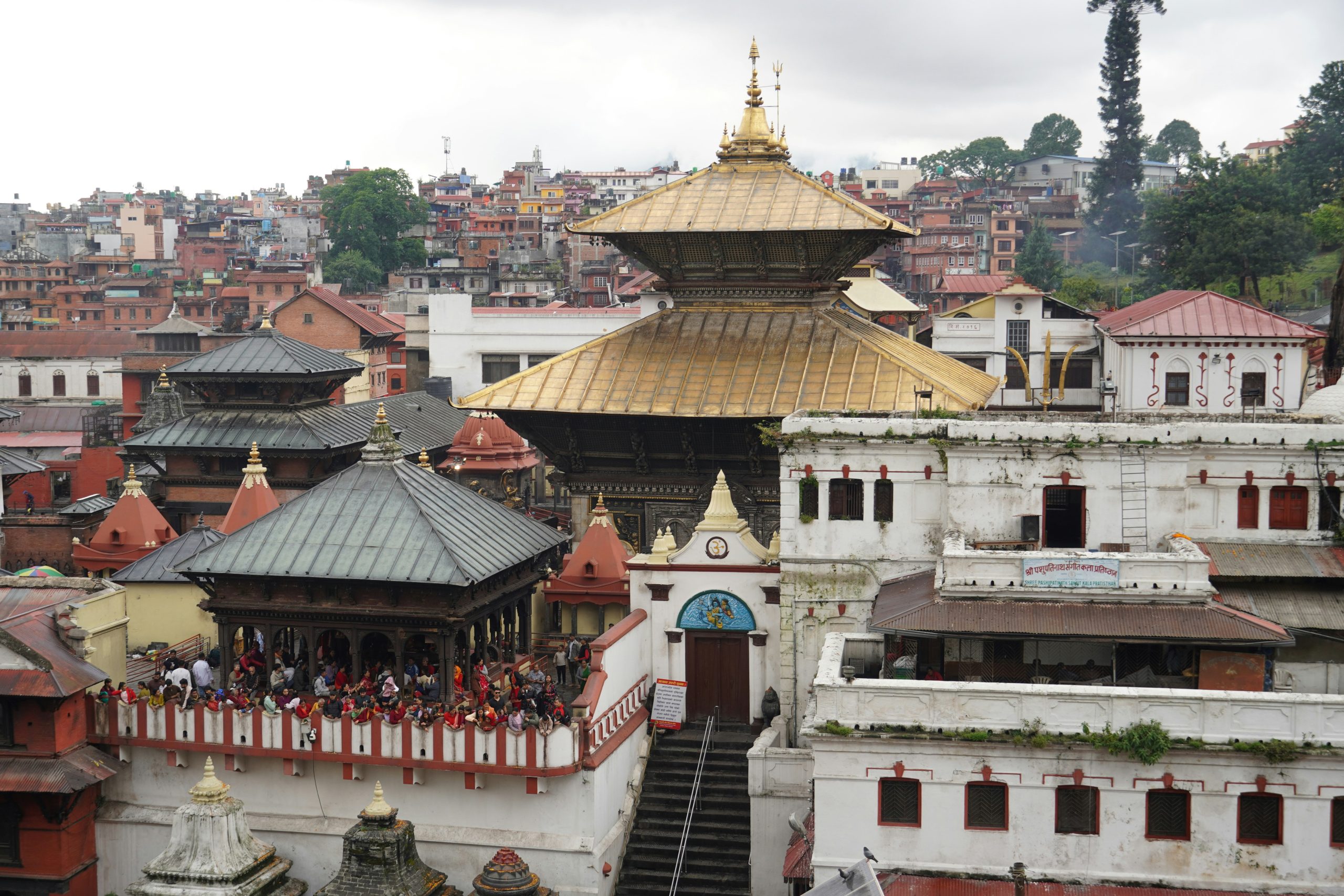
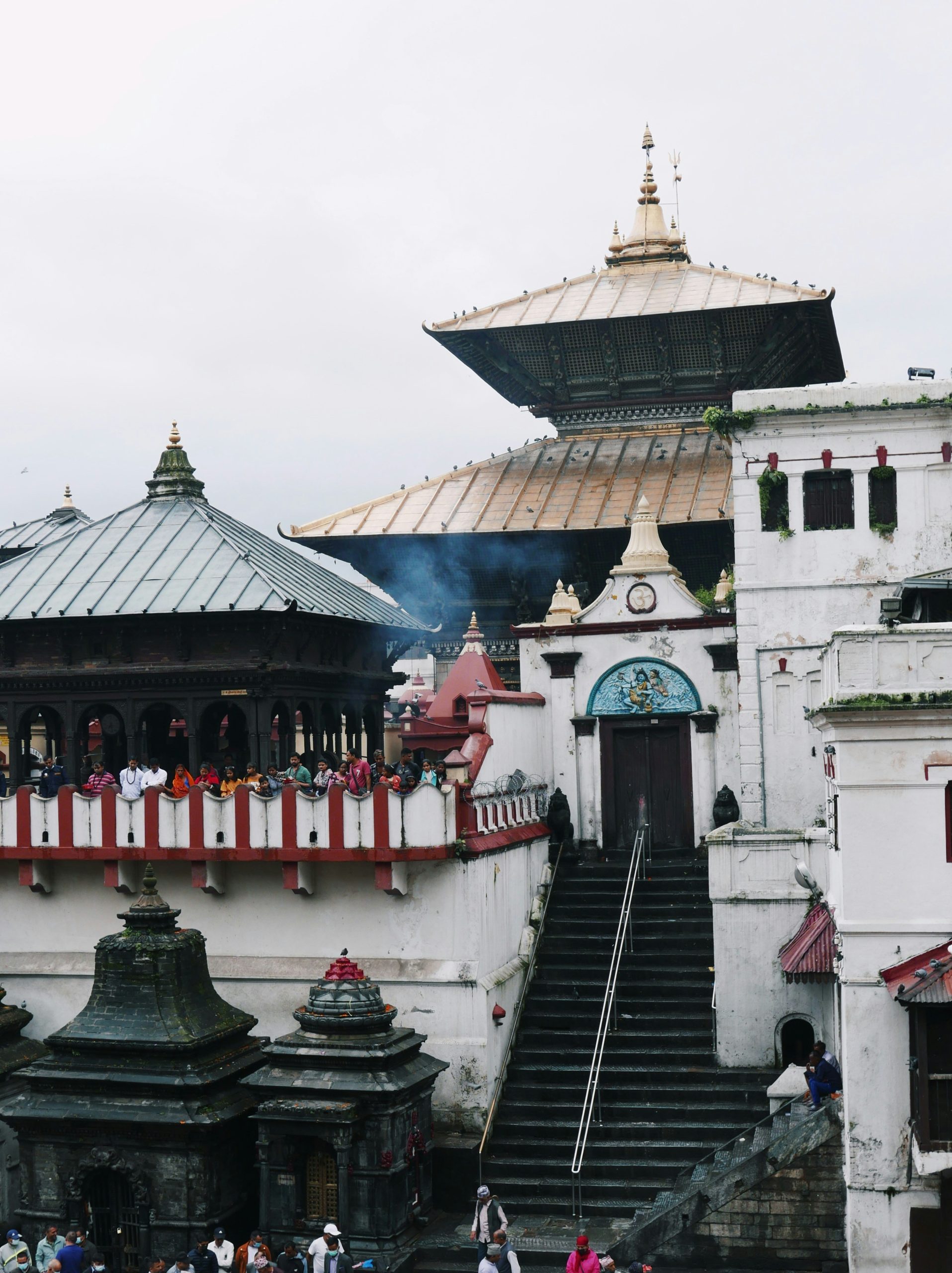
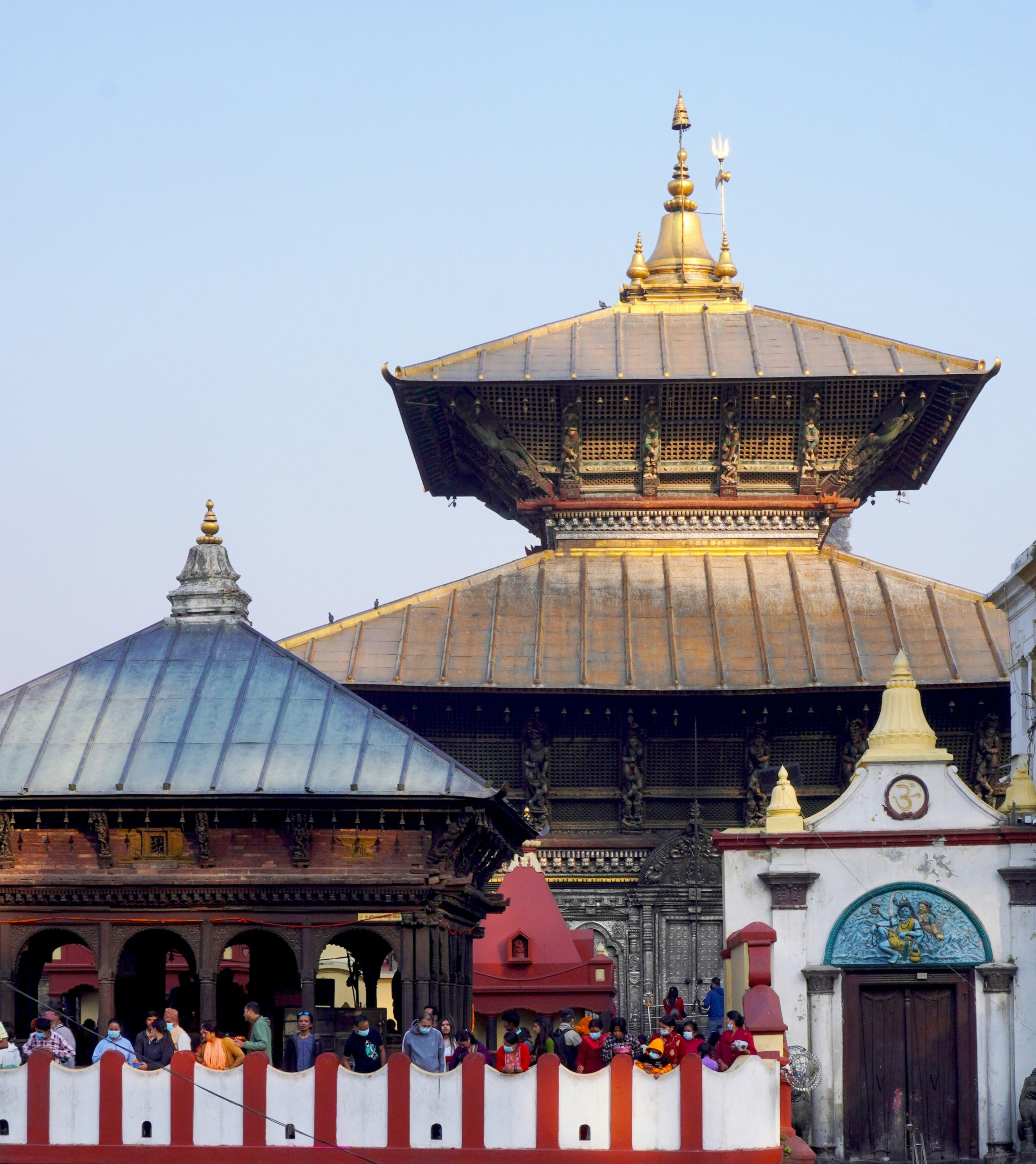
Pashupatinath Temple is one of the most sacred Hindu temples in Nepal. It is dedicated to Lord Shiva, one of the main gods in Hinduism. Lord Shiva is worshipped here as Pashupati, which means Lord of All Living Beings.
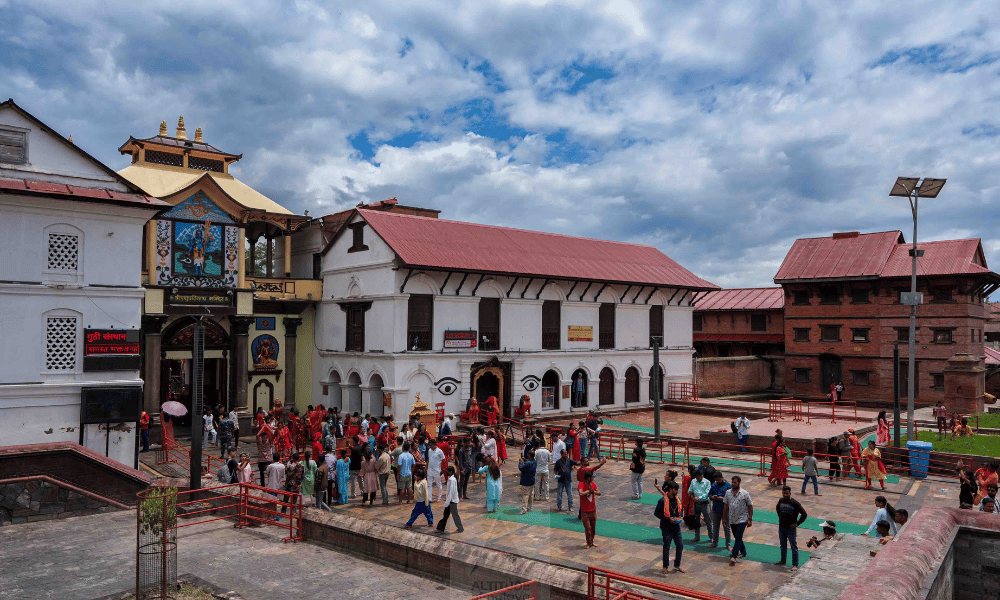
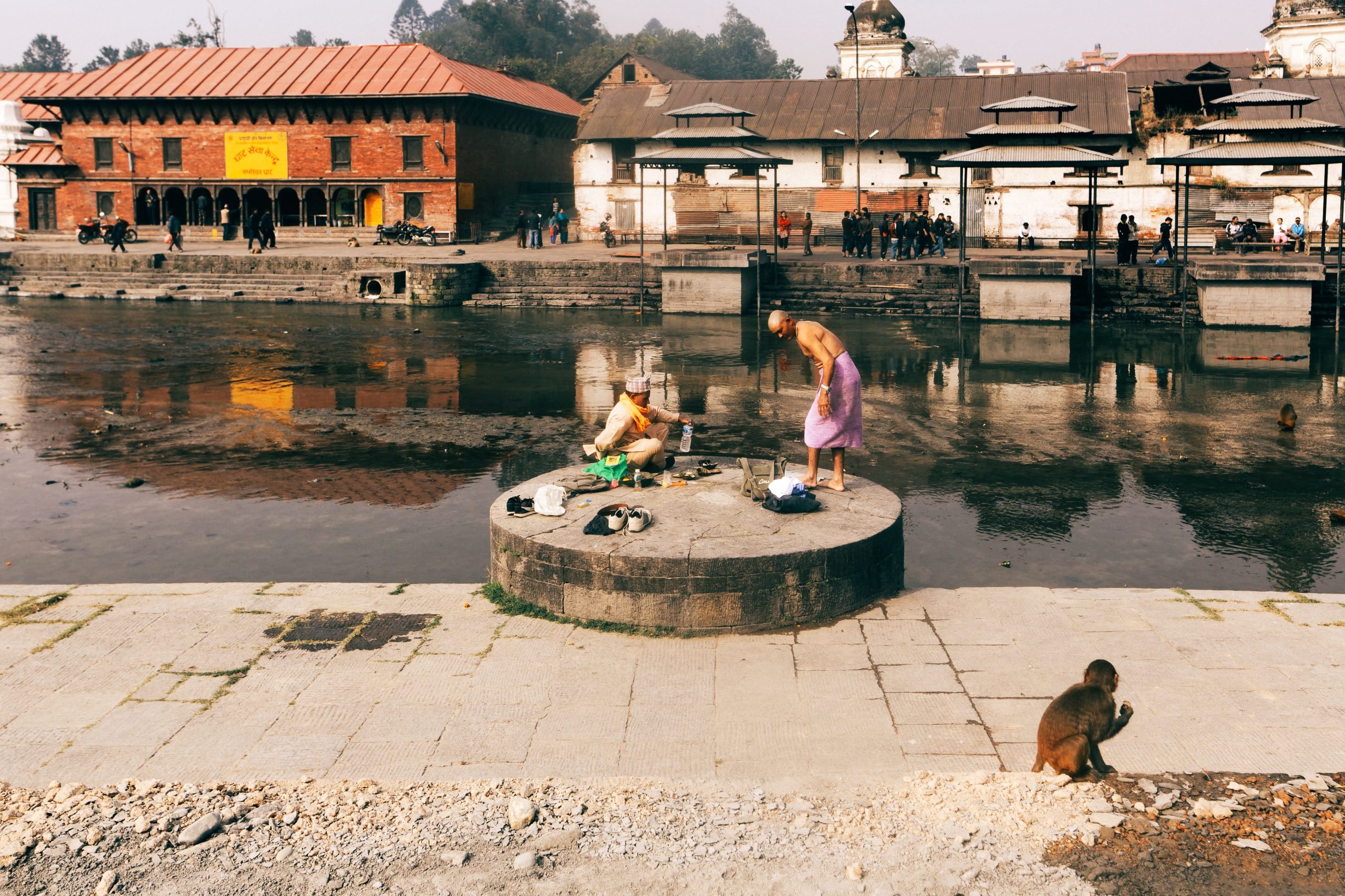
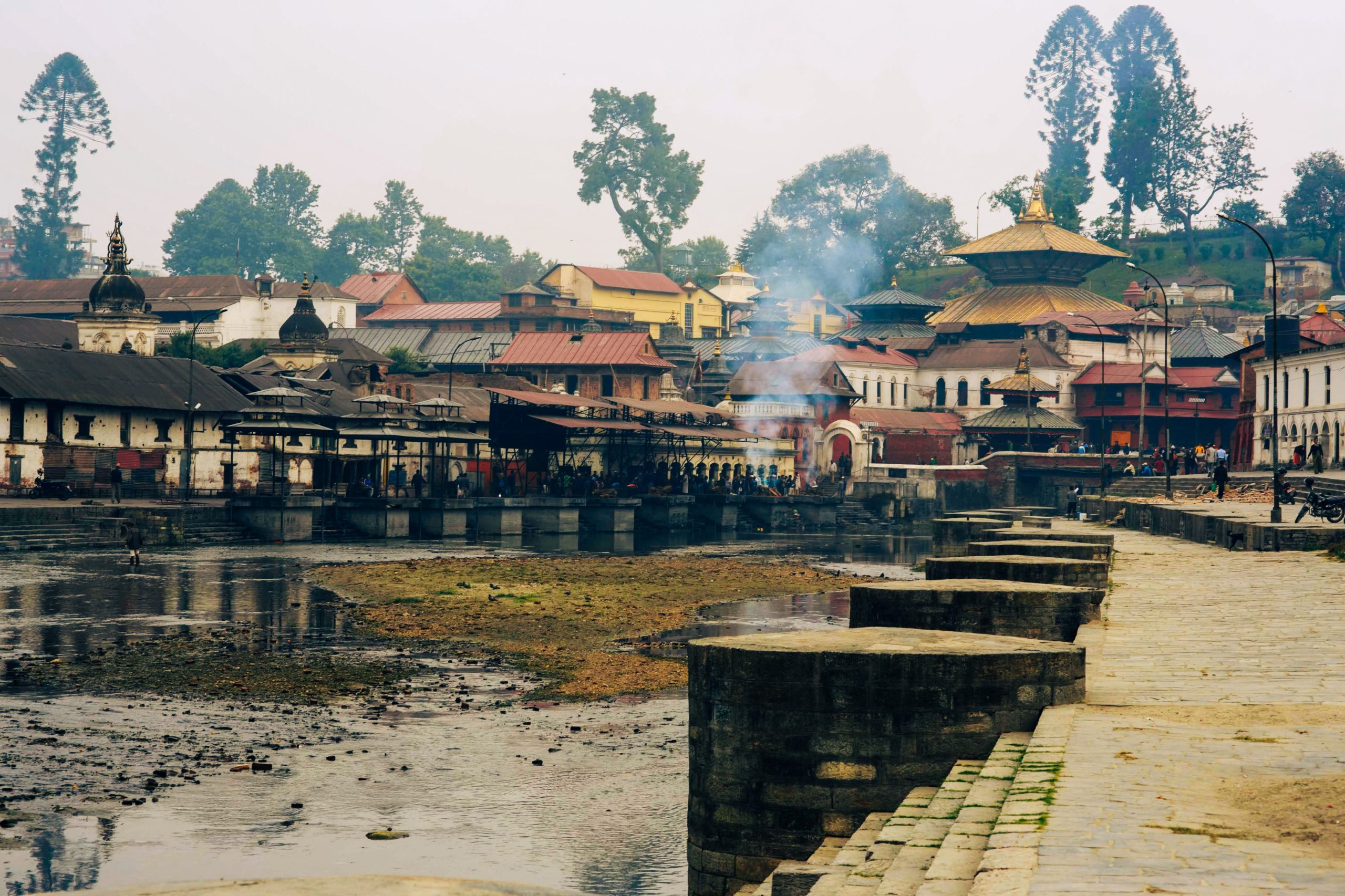
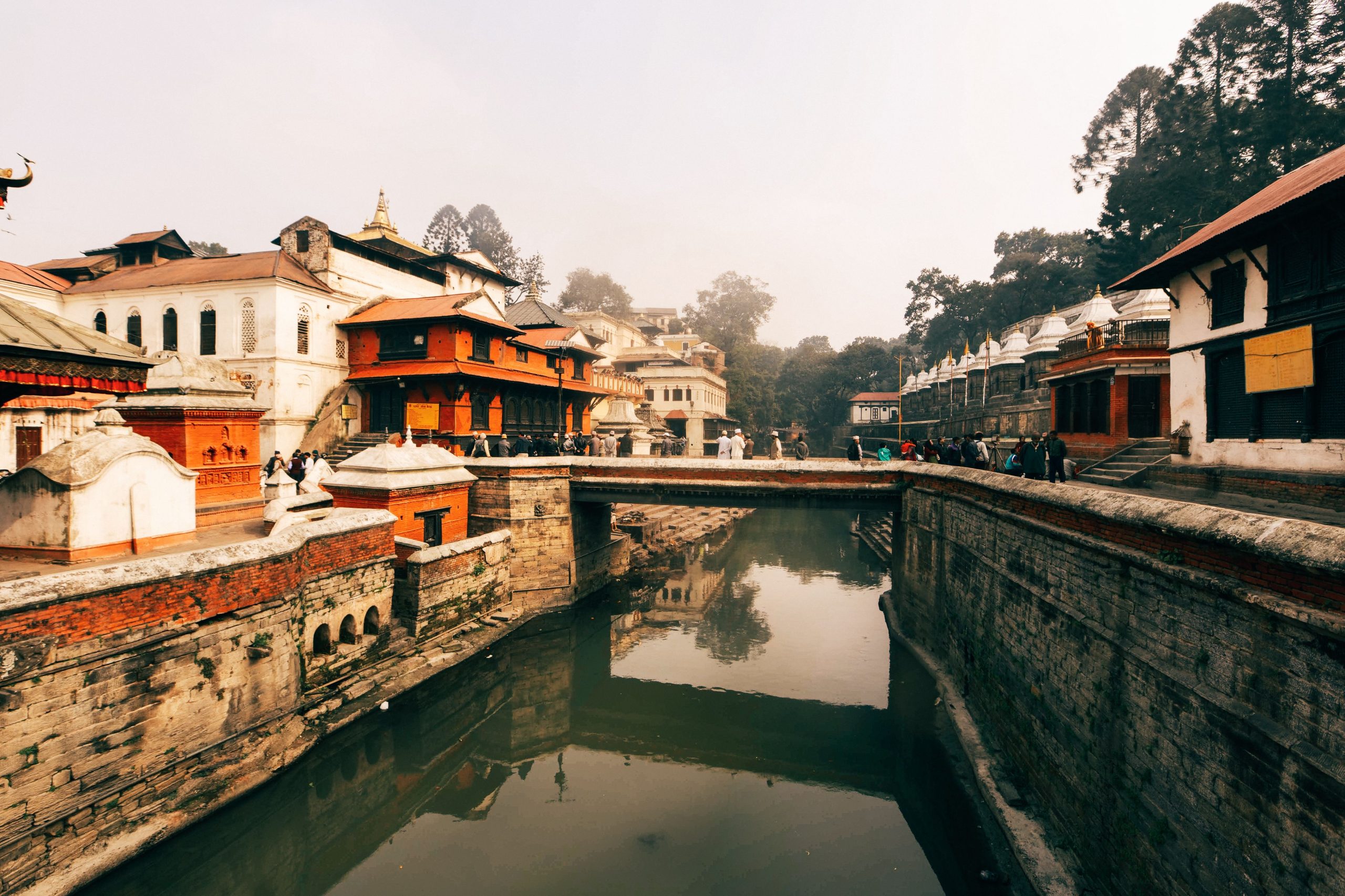
The temple is located on the holy banks of the Bagmati River in Kathmandu, about 5 km from the city center. It is an important place for Hindu people and attracts many devotees and visitors from Nepal and around the world.
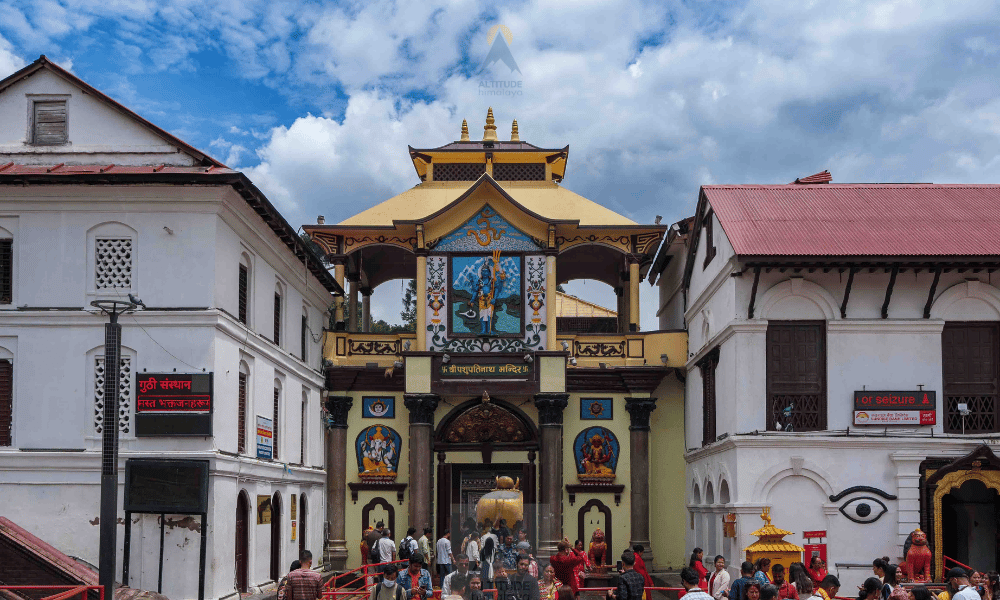
Pashupatinath Temple is known for its beautiful pagoda-style architecture, religious rituals, and rich cultural history. It is also an important symbol of Nepal’s religion, culture, and heritage.
District
Kathmandu
Best Time
Autumn
Entry Fee
Kathmandu
Total Reviews
0 visitor reviews
There are no reviews yet. Be the first one to write one.
Historical Background
Pashupatinath Temple is one of the most sacred Hindu temples in Nepal. It has a history of more than 1,600 years, while worship at this holy site is believed to have started around 2,400 years ago.
The oldest recorded structures at Pashupatinath were built during the Licchavi period. Over time, the temple was damaged by insects, earthquakes, and other natural causes. Much of the present pagoda-style temple was later rebuilt during the Malla period.
The present temple was rebuilt in 1697 AD by King Bhupatendra Malla of the Malla Dynasty. Its traditional architecture and beautiful golden roof can still be seen today. Pashupatinath Temple remains an important symbol of Nepal’s religion, culture, history, and heritage.
According to local legend, Lord Shiva and Goddess Parvati came to the banks of the Bagmati River in the form of a pair of deer. When the other gods found them, one of Shiva’s horns broke and was lost. It later appeared as the sacred Shiva Linga, which is worshipped inside the Garbhagriha, the main inner shrine of Pashupatinath Temple. The temple is named Pashupati, meaning Lord of All Living Beings.
Legends & Mythology
Long ago, Lord Shiva and Goddess Parvati became fascinated by the natural beauty of the Kathmandu Valley. They left Mount Kailash and came to the peaceful forests near the Bagmati River. Lord Shiva took the form of a deer, and Goddess Parvati also took a similar form. They wandered happily through the forest, which is now known as Mrigasthali.
Meanwhile, the other gods searched everywhere for Lord Shiva because the universe needed him. After a long search, they finally found Shiva and Parvati in the forest near present-day Pashupatinath. When the gods tried to bring Shiva back to his original form, a struggle took place, and one of Shiva’s antlers broke off. The broken antler became a sacred symbol and was buried deep in the earth.
Centuries later, local cowherds noticed that their cows poured milk at the same place on the ground every day. Curious about this unusual event, the villagers dug the ground and discovered the sacred Shiva Linga hidden beneath the earth. A temple was later established at that holy place.
Because Lord Shiva appeared in the form of a deer, he became known as Pashupati, meaning Lord of All Living Beings. The story shows Lord Shiva’s close connection with nature, animals, and all living creatures.
Photo Gallary
0
photos
.
Click to enlarge photos
Watch the full Documentries Video in Youtube ▶