

1. The Song of the Hammer: The Master Sculptor of Swatha
In a sunlit courtyard (bahal) just a short walk from Patan Durbar Square, seventy-year-old Ratna Maharjan sits on a woven straw mat. Surrounding him are small terracotta pots of beeswax, clay from the Bagmati riverbed, and lost-wax casting molds.
Ratna is a lost-wax bronze sculptor—a trade passed down through seven generations in his family. His fingers, calloused and dark with soot, delicately mold warm beeswax into the precise features of a Bodhisattva.
“In Patan, we don’t just make statues,” Ratna says without looking up, his small bronze hammer lightly tapping a chisel against a cooled bronze shell. “We invite the deity to reside in them. The wax melts away in the fire, but the devotion stays behind.”
As he works, the sound of his hammer joins a chorus echoing across the neighborhood: the rhythm of metalworkers in neighboring courtyards, the clinking of bells from the local shrine, and the distant chant of morning prayers. The statues crafted here will find homes in local temples and sacred altars across the world, keeping an ancient craft alive in the 21st century.
2. The Chariot of the Rain God: The Rato Macchindranath Jatra
Every spring, the streets of Patan undergo a transformation. Traffic comes to a halt, modern vehicles yield, and the giant wooden wheels of a towering 60-foot chariot take over the narrow cobblestone alleys. This is the Rato Macchindranath Jatra, Nepal’s longest chariot festival.
Twelve-year-old Aarav stands near the threshold of his family home in Pulchowk, eyes wide as hundreds of men pull thick ropes attached to the massive wooden structure. For weeks, local Newar carpenters, ropemakers, and priests—each family fulfilling a specific ancestral role—worked together without using a single metal nail to assemble the chariot.
As the rain deity Macchindranath is pulled through the ancient neighborhood sectors (toles), women toss flowers and rice from their carved wooden balconies. Elders bless the chariot, and children chase the procession.





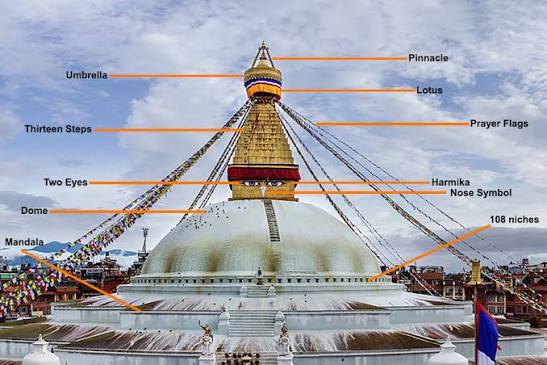

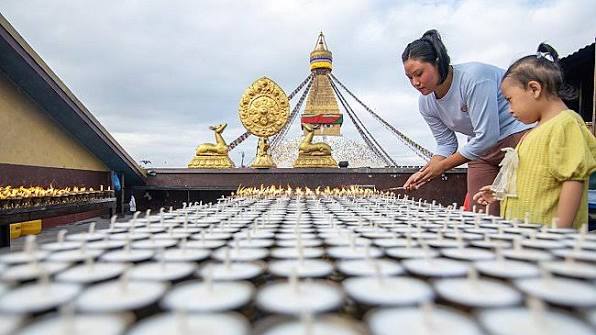


For Aarav, the festival isn’t a history lesson from a textbook; it’s a vibrant, chaotic celebration of community, agriculture, and faith that his ancestors celebrated on these exact same streets a thousand years ago.
3. The Sacred Courtyard: A Day in Kwatha Bahal
Before the sun rises over the golden pinnacles of the Golden Temple (Hiranya Varna Mahavihar), eight-year-old Sugat enters the inner sanctuary. Sugat has been appointed as the chief priest of the temple—a role rotated exclusively among young boys of the Shakya caste for a period of one month.
Dressed in traditional silk robes and carrying silver ceremonial vessels, Sugat performs the morning rituals, offering holy water, rice, and butter lamps to the statues of the Buddha and various deities.
Outside in the courtyard, elderly locals gather as they do every morning. Some chant mantras while spinning prayer wheels; others sip hot milk tea, discussing neighborhood affairs. A young woman lights a row of oil lamps before heading to her university classes, while a local artisan quietly sweeps the brass-plated floor.
In Patan, sacred spaces are not preserved in solitude. They are community living rooms where spiritual devotion, daily chores, and neighborhood gossip seamlessly coexist.
The Spirit of Patan What makes Patan truly extraordinary isn’t just the brick and timber of its ancient Durbar Square, but the fact that the people walking its streets today are actively keeping the culture of their ancestors alive.